


TEORÍA GENERAL DE LAS ARTICULACIONES CONSTITUCIONALES.
Autor:
LUCAS VERDÚ, P.
Editorial:
Dykinson
Páginas:
127
Edición:
1
Fecha de publicación:
28/07/1998
ISBN:
9788481553864
El precio original era: 12,00€.11,40€El precio actual es: 11,40€.
Entrega en 24/48h
- Sinopsis
- Índice
I. SIGNIFICADO DE LAS ARTICULACIONES CONSTITUCIONALES
I.1.) LA CONSTITUCIÓN COMO CÓDIGO ARTICULADO
a) La Constitución es un texto solemne
b) La Constitución es la Ley Suprema; la Ley Mayor
c) La Constitución identifica al Estado ante sus ciudadanos y ante la Unión Eu-
ropea y la Comunidad Internacional.
I.2.) CONCEPTO DE ARTICULACIÓN CONSTITUCIONAL
a) Articulación constitucional formal
b) La ratio de las normas constitucionales
c) Vis articuladora de las normas constitucionales
d) Estrabismo constitucional
I.3.) ARTICULACIÓN CONSTITUCIONAL Y ARTICULACIÓN SOCIAL
I.4.) ARTICULACIÓN NORMATIVA Y ARTICULACIÓN AXIOLÓGICA.- “DENSIDAD” DE LAS NORMAS CONSTITUCIONALES.
a) Vigencia y realidad constitucionales
b) Articulación constitucional y valores
c) Articulaciones constitucionales
y densidad de sus normas
II. INTENTO CLASIFICADOR DE LAS ARTICULACIONES CONSTITUCIONALES
II.1.) CLASIFICACIÓN COMO OPERACIÓN Y RESULTADO CIENTÍFICOS
a) Clasificar
b) Clasificar y ordenar
II.2.) CARACTERES FORMALES Y SUSTANCIALES DE LAS ARTICULACIONES CONSTITUCIONALES
a) Contenido ético y social de las articulaciones constitucionales
b) Articulaciones formales y sustanciales
II.3.) CORRELACIÓN ENTRE LA DIGNIDAD HUMANA Y VALORES DEL ARTÍCULO 10.1
a) Primer valor propugnado por la CE: La libertad
b) Secuencia libertad, igualdad, justicia, pluralismo social
II.4.) ESENCIA DE LOS DERECHOS FUNDAMENTALES CONSTITUCIONES PROMOTORAS Y REMOVEDORAS
a) Esencia de un derecho fundamental
b) Dificultades
c) Articulaciones congruentes e incongruentes
d) Articulaciones obsoletas y renovadoras
II.5.) INCORPORACIÓN DE NUEVOS DERECHOS FUNDAMENTALES MEDIANTE UNA INTERPRETACIÓN “AFORTUNADA”
II.6.) INTERVENCIÓN DE LOS PARTIDOS EN LA RENOVACIÓN
DE LOS DERECHOS Y DE LAS INSTITUCIONES CONSTITUCIONALES.
III. ARTICULACIONES CONSTITUCIONES E INGENIERÍA CONSTITUCIONAL
a) La expresión ingeniería constitucional
b) Posible rechazo de los
“injertos” constitucionales
IV. ARTICULACIONES CONSTITUCIONALES Y PARTES DOGMÁTICA Y ORGÁNICA DE LA CONSTITUCIÓN
a) La parte dogmática suele preceder en el texto a la parte orgánica
b) Constituciones sin parte dogmática
c) ¿Cual de dichas partes es más relevante’
V. IMPORTANCIA DE LA INTERPRETACIÓN DE LAS ARTICULACIONES CONSTITUCIONALES
V.1.) RELEVANCIA DE LA INTERPRETACIÓN CONSTITUCIONAL
V.2.) LA INTERPRETACIÓN DE LAS ARTICULACIONES CONSTITUCIONALES ES TAREA CULTURAL
VI. ALGUNOS PRINCIPIOS IMPORTANTES PARA LA INTERPRETACIÓN DE LAS ARTICULACIONES CONSTITUCIONALES.
a) El círculo hermenéutico
b) Interpretación y concepto del derecho
c) La interpretación de una articulación constitucional implica la de toda la
Constitución.
d) La interpretación de una norma constitucional ha de hacerse magis ut valeat
e) Interpretación y adivinación
f) Interpretación y dignidad humana
g) Interpretación y densidad de las normas fundamentales
h) La violación de cualquier norma fundamental implica la violación de todas
las demás
i) Interpretación y lugares constitucionales
j) Toda interpretación constitucional ha de tener en cuenta la realidad social
del tiempo en que las normas han de aplicarse.
k) La interpretación de las articulaciones constitucionales ha de ser completa.
La cuestión de los conceptos jurídicos indeterminados.
VII. VALIDEZ, EFICACIA Y EFECTIVIDAD DE LAS NORMAS DE LAS ARTICULACIONES CONSTITUCIONALES.
VII.1. LA VALIDEZ COMO CONCEPTO JURÍDICO
VII.2. VALIDEZ DE LAS NORMAS JURÍDICAS. CUESTIONES PREVIAS.
VII.3. EFECTIVIDAD DE LAS NORMAS Y DE LAS ARTICULACIONES CONSTITUCIONALES
VII.4. CONCEPTO DE NORMA CONSTITUCIONAL
a) La norma constitucional es un imperativo
b) Es fundamental
c) Procede de un poder constituyente
d) Es soberana
e) Cuenta con eficacia social organizadora
f) Es difícil de reformar
g) Se fundamenta en valores
h) Reconoce y garantiza los derechos humanos
VIII. NORMAS, INSTITUCIONALES, ARTICULACIONES Y RELACIONES CONSTITUCIONALES
a) Carácter institucional
b) Institución y ordenamiento jurídico
c) Concepto de institución según HAURIOU
d) Diferencia entre articulaciones institucionales y formales
e) Institución como organización y orientación política
f) Relaciones constitucionales
IX. ARTICULACIONES CONSTITUCIONALES Y PROCESO DE ORIENTACIÓN POLÍTICA
a) Concepto de orientación política
b) La orientación política como proceso fluido
X. PLURALISMO Y ARTICULACIONES CONSTITUCIONALES
a) Concepto de pluralismo social
b) Pluralismo y tolerancia
XI. PARTIDOS Y PLURALISMO POLÍTICO
a) Fuerzas políticas
b) Clubes políticos
c) El pluralismo político como valor
d) Naturaleza jurídica de los partidos
XII. REPRESENTACIÓN, INTERPRETACIÓN, REFORMA Y ARTICULACIONES CONSTITUCIONALES.
XII.1 INTERCONEXIÓN NORMATIVA E INSTITUCIONAL ENTRE ELLAS BASADA EN LA REALIDAD SOCIAL.
a) Los partidos son renuentes a la participación directa de los ciudadanos en
la determinación de la orientación política.
b) Concepto de representación política
c) Representación y representatividad
d) La interpretación constitucional depende del concepto del Estado y del tipo
de Constitución que se trate.
e) Interpretación constitucional y vinculación Estado-aparato-Estado comunidad
f) Circularidad entre el Estado-aparato y el Estado-comunidad
XIII. REFORMA CONSTITUCIONAL Y DEFENSA DE LA CONSTITUCIÓN
a) Reforma de la Constitución es un modo de defenderla
b) Mediante la interpretación constitucional se protege la Constitución
c) Defensa de la Constitución como lucha según SCHMITT
d) Defensa de la Constitución y revolución
XIV. REFORMA Y DEFENSA DE LA CONSTITUCIÓN E INTERPRETACIÓN CONSTITUCIONAL
a) ¿Obliga una generación, a las siguientes, a acatar su Constitución?
b) Cuando el intérprete constitucional emprende la reforma de la reforma de
la
Constitución, su análisis versa sobre dos textos.
XV. LA TRÍADA REPRESENTACIÓN-INTERPRETACIÓN-DEFENSA DE LA CONSTITUCIÓN
a) La tríada Representación-interpretación-defensa de la Constitución coram
populo. Sentido ministerial y simbólico.
b) Hermenéutica y adivinación constitucionales
XVI. PREÁMBULO Y ARTICULACIONES CONSTITUCIONALES
XVI.1. NATURALEZA DE LOS PREÁMBULOS CONSTITUCIONALES
XVI.2. ARTICULACIÓN DE LAS DECISIONES POLÍTICAS PREAMBULARES CON LAS DISPOSICIONES DE LA CONSTITUCIÓN.
XVI.3. ES MENESTER NO DESPRECIAR EL PREÁMBULO DE LA CONSTITUCIÓN.
Categorías:
Derecho Constitucional, Generalidades
Relacionados
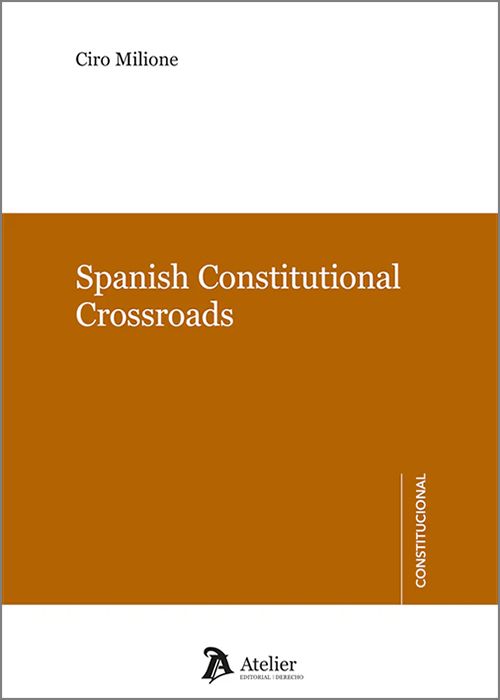
SPANISH CONSTITUTIONAL CROSSROADS.
Ver ficha
El precio original era: 31,47€.29,90€El precio actual es: 29,90€.
SPANISH CONSTITUTIONAL CROSSROADS.
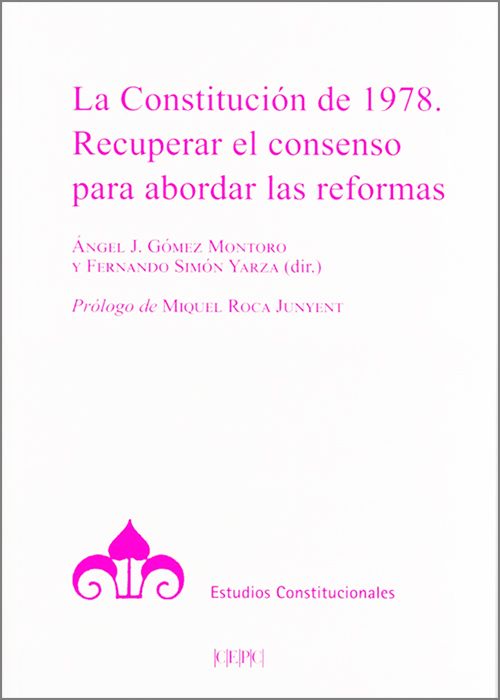
CONSTITUCIÓN ESPAÑOLA DE 1978, LA. Recuperar el consenso para abordar las reformas.
Ver ficha
El precio original era: 36,00€.34,21€El precio actual es: 34,21€.
CONSTITUCIÓN ESPAÑOLA DE 1978, LA. Recuper...

PROYECTAR EL FUTURO. Por un constitucionalismo global.
Ver ficha
El precio original era: 24,00€.22,81€El precio actual es: 22,81€.
PROYECTAR EL FUTURO. Por un constitucional...
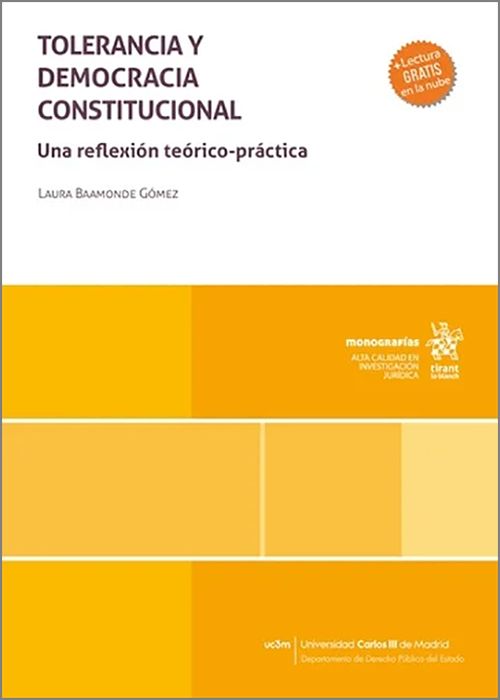
TOLERANCIA Y DEMOCRACIA CONSTITUCIONAL. Una reflexión teórico-práctica.
Ver ficha
El precio original era: 25,00€.23,75€El precio actual es: 23,75€.
TOLERANCIA Y DEMOCRACIA CONSTITUCIONAL. Un...
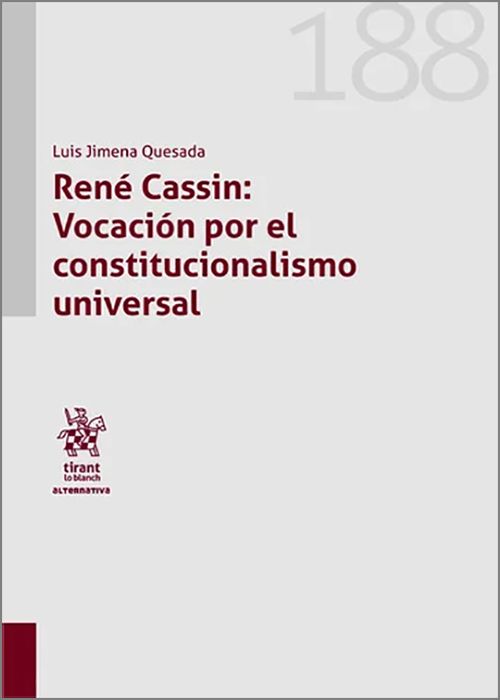
RENÉ CASIN: VOCACIÓN POR EL CONSTITUCIONALISMO UNIVERSAL.
Ver ficha
El precio original era: 37,90€.36,00€El precio actual es: 36,00€.
RENÉ CASIN: VOCACIÓN POR EL CONSTITUCIONAL...

CONCEPCIONES DE LA CONSTITUCIÓN. Constitución por reglas, principios y valores.
Ver ficha
El precio original era: 23,00€.21,85€El precio actual es: 21,85€.
CONCEPCIONES DE LA CONSTITUCIÓN. Constituc...

TRIBULACIONES ACTUALES DEL DERECHO PÚBLICO, LAS.
Ver ficha
El precio original era: 15,00€.14,25€El precio actual es: 14,25€.
TRIBULACIONES ACTUALES DEL DERECHO PÚBLICO...

SISTEMAS CONSTITUCIONALES COMPARADOS.
Ver ficha
El precio original era: 55,00€.52,25€El precio actual es: 52,25€.
SISTEMAS CONSTITUCIONALES COMPARADOS.

EL REY.
Ver ficha
El precio original era: 19,95€.18,95€El precio actual es: 18,95€.
EL REY.
IMPACTO DE LA INTELIGENCIA ARTIFICIAL EN EL DERECHO CONSTITUCIONAL.
Ver ficha
El precio original era: 25,00€.23,75€El precio actual es: 23,75€.
IMPACTO DE LA INTELIGENCIA ARTIFICIAL EN E...

TRIBUTACIÓN, DERECHOS HUMANOS, CLIMA E INTELIGENCIA ARTIFICIAL: HACIA UN NUEVO PACTO CONSTITUCIONAL.
Ver ficha
El precio original era: 42,00€.39,89€El precio actual es: 39,89€.
TRIBUTACIÓN, DERECHOS HUMANOS, CLIMA E INT...

ESTUDIOS DE DERECHO CONSTITUCIONAL. Derechos sociales y nuevas dinámicas democráticas
Ver ficha
El precio original era: 58,00€.55,10€El precio actual es: 55,10€.
ESTUDIOS DE DERECHO CONSTITUCIONAL. Derech...
¿Quieres conocer las últimas novedades?
Síguenos en

